“There are immediate wellbeing benefits from the interactions we have with others, but it also builds resilience in the face of shock.”—Lexi Randall-L’Estrange, Executive Director, Castlemaine Institute
Key points
- Feeling connected to a community supports mental, physical and cognitive health, while also making our neighbourhoods safer, stronger and more resilient.
- Thriving communities don’t happen by accident—walkable spaces, social and civic infrastructure, volunteering and accessible “bumping spaces” all play a powerful role in helping people connect.
- By using local spaces, supporting community organisations and taking small, regular steps to connect, you can help create a stronger sense of belonging for yourself and others.
A sense of community is that feeling of belonging and connectedness, whether it’s in your inner circle or local neighbourhood—and research shows, it’s vital to our wellbeing. In fact, “community connectedness” is one of the seven key life areas that contribute to our wellbeing, as identified by the Australian Unity Wellbeing Index (AUWI).
Australians reported a small increase in their sense of community in the most recent AUWI survey, with electorates like Canberra in ACT and Flinders in Victoria experiencing some of the highest levels of community connectedness. But unfortunately, this sense of community isn't strong across the entire nation.
So, what happens if that sense of community isn't there, or your electorate is reporting low rates of connection?
The good news is, you can have an impact. In this article, we look at what makes some communities thrive and how you can foster a sense of community no matter where you live, so everyone can get that community glow.
Why is a sense of community so important?
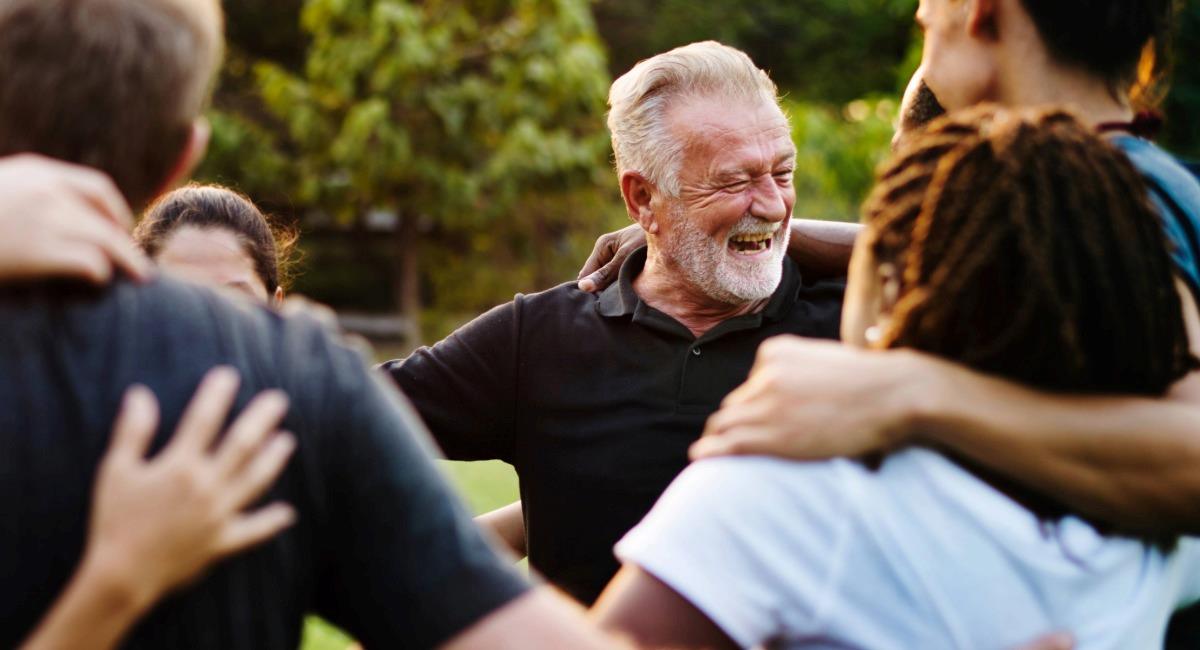
Dr Melissa Kennedy, VicHealth Research Fellow at Deakin University, says the benefits of social connectedness can be seen at both an individual and collective level.
“Having social connectedness lowers the risk of serious health problems and helps foster mental health. Other studies show it reduces the risk of mild cognitive impairments and the risk of dementia,” says Melissa.
“At a collective level, it can create a sense of belonging, strengthen social fabric, and make communities feel safer, healthier and have more opportunities.”
It can even help when mobilising in response to natural disasters, in which communities band together and support each other in times of adversity.
Factors that contribute to thriving communities
So, what is it that makes some communities thrive? Unsurprisingly, there are many elements that could come into play.
Lexi Randall-L’Estrange, Executive Director of Castlemaine Institute, says some key factors that contribute to community connectedness include:
- A high density of social infrastructure
- A good amount of walkability and wheeling access for wheelchair users
- Low levels of housing stress and financial vulnerability
- A beautiful environmental setting
- High rates of volunteering and civic participation
- Great civic infrastructure
It’s also important to note that 2025 AUWI data showed all electorates in the top 10% for community connectedness also ranked in the top 20% for overall personal wellbeing.
“These communities are reporting better health, standard of living and economic circumstances—and that allows them to be able to connect and nurture that sense of community,” says Melissa.
Does size matter for community wellbeing?
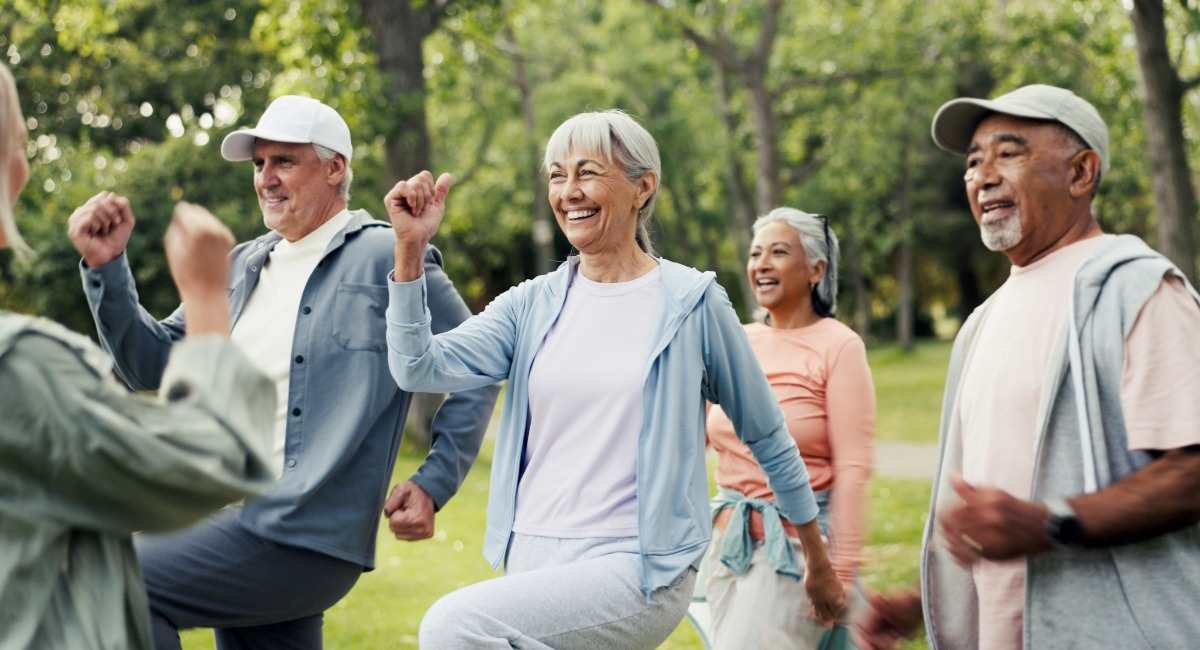
Rural areas have the highest levels of community connection, according to 2025 AUWI data.
Lexi says this could be because smaller towns allow for more moments of connection.
“More frequent social interactions and high quality relationships are built into a lot of rural and regional communities. Being able to say hello to people that you recognise and share those small exchanges is very uplifting, and it builds a sense of trust and connection over time,” she says.
“There’s often a strong culture of mutual aid and solidarity so that when things go wrong, there are really well-established mechanisms and groups that know how to come together and support each other.”
Why some Australians are experiencing low community connectedness
There are many complex reasons Australians could be experiencing low community connectedness, according to Melissa.
“It can be really dependent on people’s life stages and circumstances,” she says. “For example, people who are caring for kids or parents or those in the sandwich generation who are caring for both, often have less time for community connections.”
Other factors include working multiple or demanding jobs, having long commuting times, cultural reasons and financial or housing stress.
Renting also plays a role, with Wellbeing Index data showing that renters report lower personal wellbeing than homeowners. Lexi says it’s hard for people to invest in relationships and community when they don’t know how long they’ll be living in that same place.
But another element is whether your local area has connective tissue such as community spaces that help facilitate organic connections and create bridges between individuals and groups.
The role of bumping spaces and community organisations
Bumping spaces are places where you naturally bump into people, and they’re incredibly valuable for building that sense of community connectedness.
“They’re spaces where you don’t need to plan or orchestrate or have any mental load of how you’re going to meet someone—it just occurs naturally,” says Melissa.
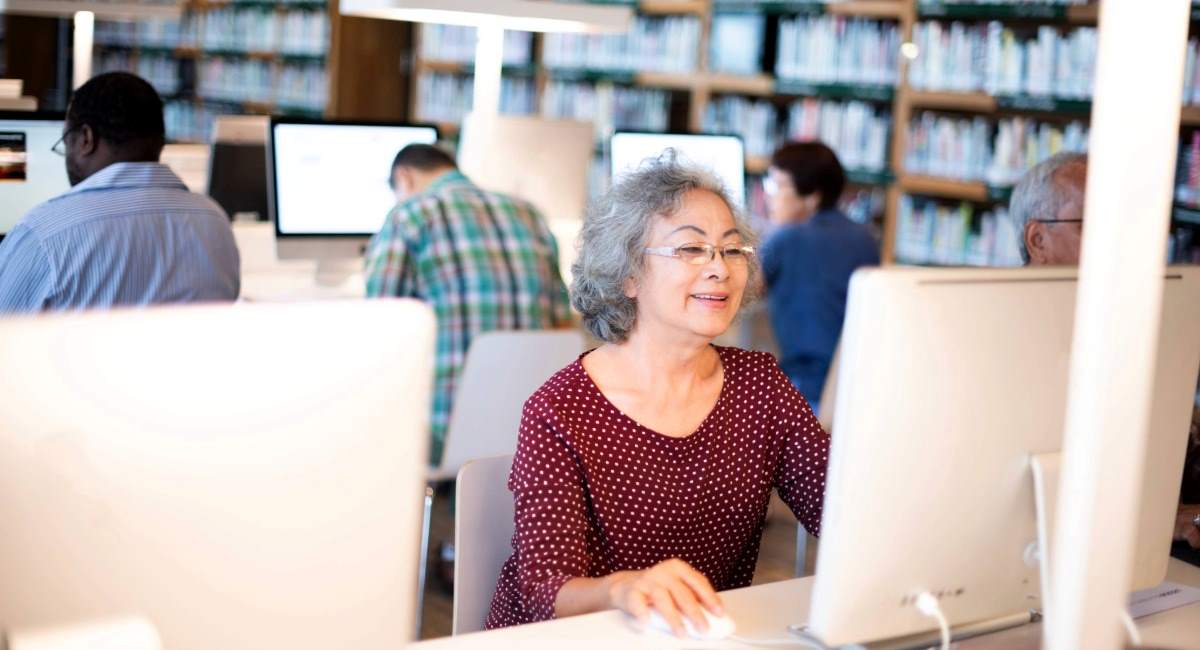
It could be at a community house, a library, café, park or a nice place to sit in the street.
“These informal, unplanned interactions foster community ties and allow you to meet people you mightn’t normally talk to. People can connect across different economic, cultural and social backgrounds,” Melissa continues.
Organisations are also vital in community-building. Whether it’s a local neighbourhood house that holds lunches or health organisation that runs free walking groups or another initiative, Lexi says they help to strengthen communities.
“These organisations create spaces and provide connective tissue between the physical infrastructure and the social infrastructure that brings people into those spaces,” she says.
How you can increase connectedness in your community
Lexi says there are lots of great ways for community members to influence positive connection and wellbeing.
This could include supporting intermediary organisations such as community houses, Aboriginal Men’s Sheds, community gardens or sporting clubs.
“You could support them financially, through advocacy, through volunteering or by referring people to those services. That's a really great way to ensure that those institutions and groups which provide social connectedness are valued, supported and can be financially sustainable in the community,” she says.
Attending council meetings and participating in community planning is a way that you can engage with local governance and actively take part in your community.
Lastly, Melissa says it can be as easy as getting out and using community-building infrastructure such as libraries, community hubs and other initiatives such as Opening the Gate, a school grounds activation initiative undertaken by VicHealth. The more people utilise these assets, the more they will become available.
For those struggling to connect with community
For those who are experiencing barriers to community participation, Lexi’s advice is to take one step at a time: “Just trying to go along to one event is great.”
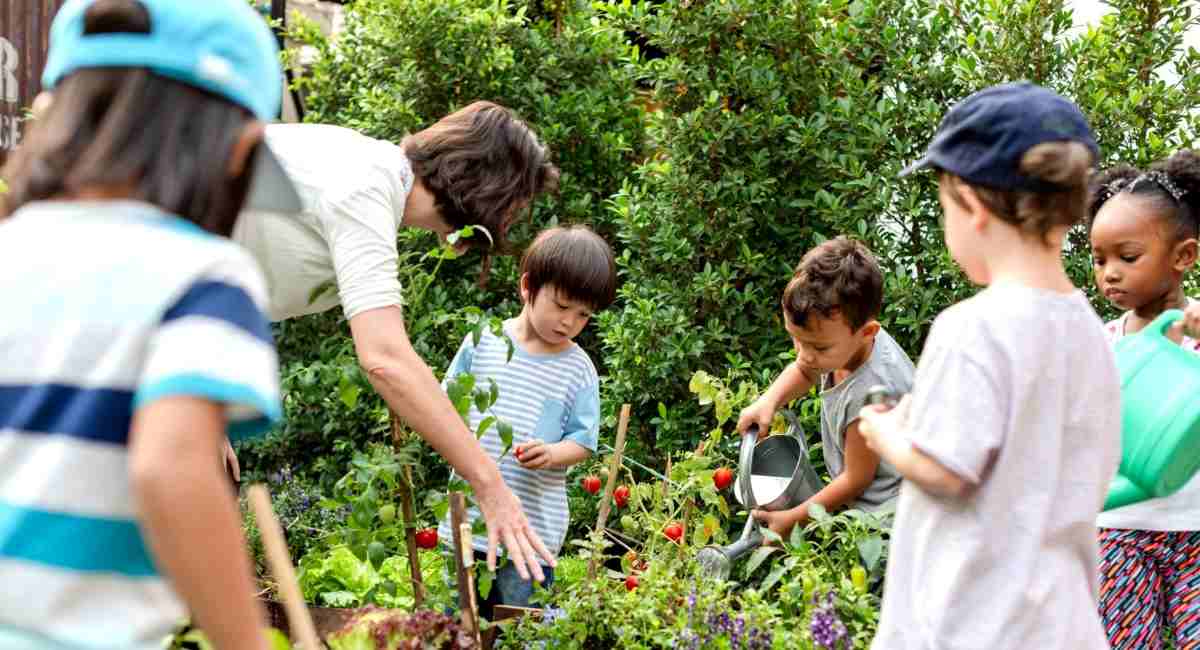
She says volunteering can be an excellent way to get started, whether it’s helping out in the community garden, taking part in a community lunch or volunteering at a front desk.
“Being able to contribute can provide a practical way to get connection with the community without it necessarily being based around friendships or long-term relationships—which not everyone has,” says Lexi.
And don’t forget, a sense of community isn’t just a ‘nice to have’—it’s vital to your wellbeing.
“Community connectedness is not a luxury, it is needed and it’s highly protective. It’s a matter of social equity and it’s a public health issue,” says Lexi.