“It makes no difference whether you have a large backyard or a small apartment balcony or a tiny patio at the front of your unit—you can transform that area into a place that makes you want to be outside where you can enjoy nature and boost your wellbeing.”—David Fullerton, Gardening Team Leader, Australian Unity
Key points
- You don’t need a backyard to enjoy the wellbeing benefits of gardening. With a little creativity, even a small balcony or patio can become a calming green space.
- Anyone can get started at any stage of life—whether you’re downsizing, looking for a new hobby or have never gardened before, balcony gardening can be a rewarding activity.
- There are plenty of tools and equipment that make gardening accessible to those with limited strength, mobility and energy levels.
More Australians are living in apartments than ever before. But does not having a backyard mean you need to sacrifice the joy of cultivating your own green space?
David Fullerton, Gardening Team Leader at Australian Unity’s Walmsley Retirement Community, has seen firsthand the wonderous kind of gardens you can create on a balcony, patio, or other small, concreted area.
For many residents at the retirement community, part of their reason for downsizing is because they’re no longer able to maintain large gardens. But just because they no longer have a big backyard, it doesn’t mean they can’t continue their love for gardening or even pick up a new hobby in retirement.
“It makes no difference whether you have a large backyard or a small apartment balcony or a tiny patio at the front of your unit—you can transform that area into a place that makes you want to be outside where you can enjoy nature and boost your wellbeing,” says David.
In this article, we share how you can give your green thumb a workout and grow a thriving balcony garden, even if you have limited mobility or you’ve never looked after a plant before.
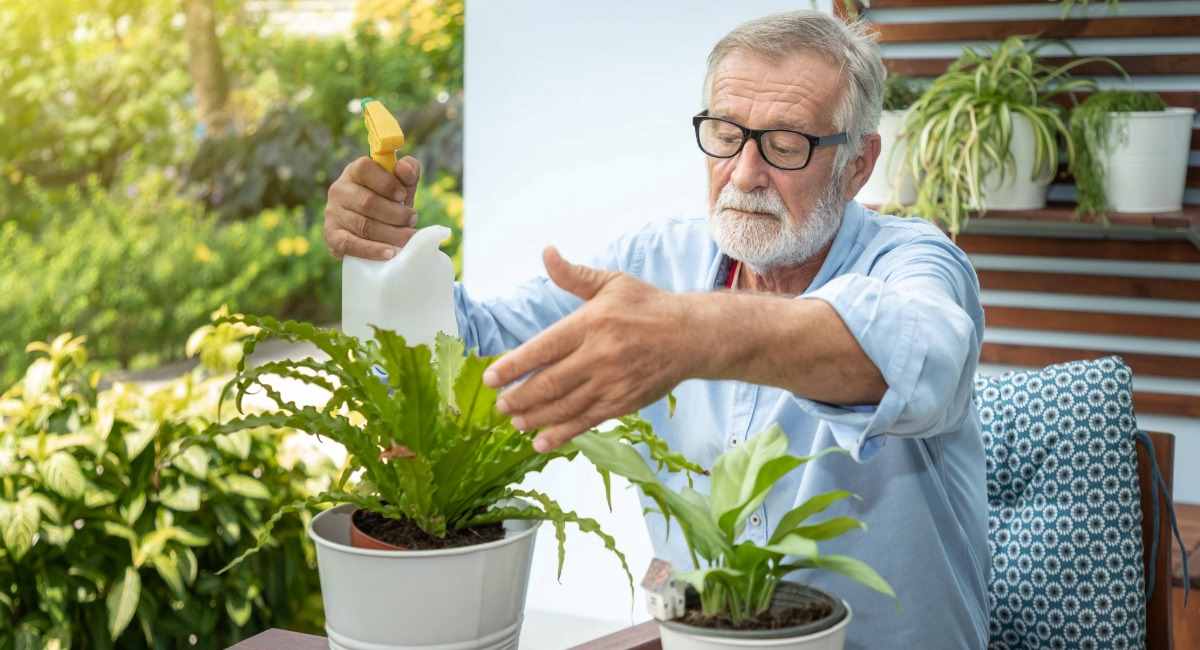
Why you should grow a garden on your balcony
Your balcony might be dusty, mostly concrete and generally uninviting, but the simple addition of a few plants can really welcome you out there.
“It’s important for your wellbeing that you have green spaces to go to,” says Inge Jabara, horticulturist and landscape designer. “If you have a balcony and the ability to grow plants on it, you can create a much more appealing outdoor space for yourself.”
This is part of what makes balcony gardening so enjoyable, says David.
“Along with your plants, you can put in some solar lights, a couple of deck chairs and a little table—and it becomes completely transformed,” he says. “Suddenly you start getting birds, bees and butterflies coming in and it changes that environment completely from what it was when you first started.”
It can be daunting to look at a space with no grass or garden beds, but it’s normal to feel a bit intimidated. With the right tools and plants, anyone can grow a garden on their balcony.
Consider which plants are ideal for your balcony
Inge Jabara, horticulturist and landscape designer, says there are a number of things to consider before deciding which plants to grow on your balcony, such as how much heat, sunlight and wind your balcony gets.
“If you have a hotter balcony, you’ll want to consider hot climate plants. If you have a very windy balcony, you might look at smaller, tuftier plants such as native grasses or something like a coastal rosemary,” she says.
Being aware of the conditions will help you decide which plants are most likely to thrive on your balcony.
It’s also a good idea to start with plants which are a bit hardier and easier to grow.
“Start with one or two plants so you don’t get overwhelmed, then once you feel that confidence you can start to progress to an urban jungle,” says David.
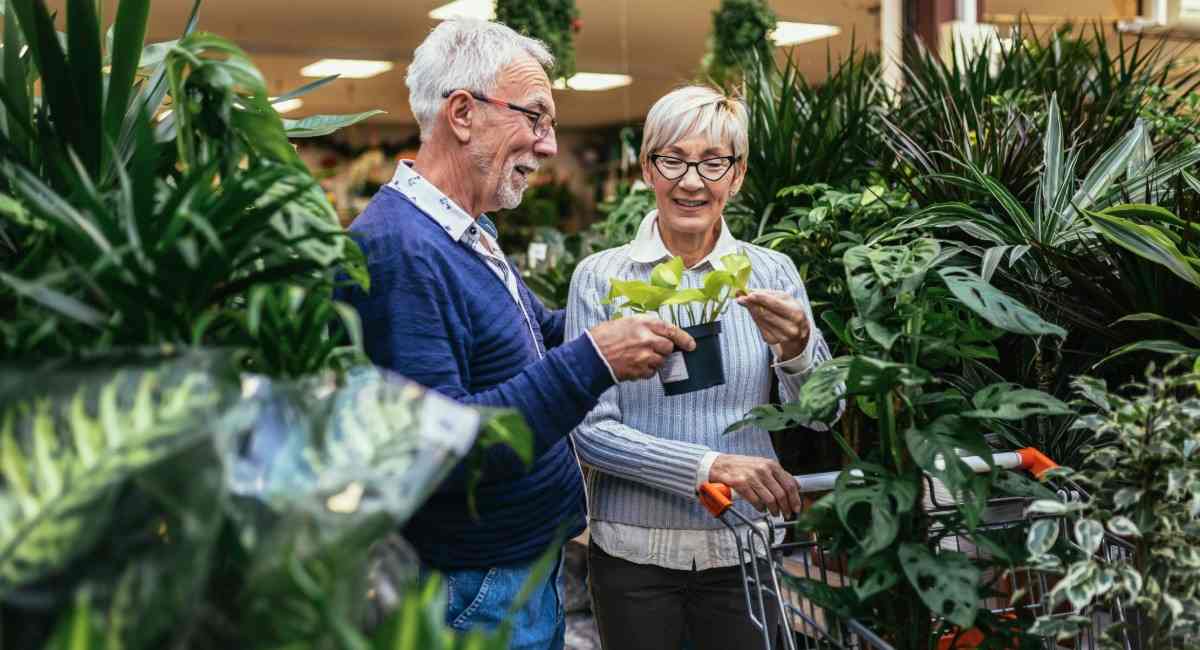
Plant and garden ideas for beginners
Despite what you might think, you aren’t restricted at all with the types of plants you can have on a balcony.
“There’s no limit to what you can grow, from small ornamental trees to English box hedges to all sorts of flowers. You can put almost any plant in a pot and in the right environment and it will be happy,” says David.
According to David, geraniums and pelargoniums are great for someone who’s never gardened before as they’re very forgiving and happy in most conditions.
A vegetable or herb garden is another excellent option.
“Herbs are a great entry point as they’re hardy and cheap. You could even pick up the potted herbs for a couple of dollars from the supermarket and plant them in a pot,” says David.
He says the best tomato crops he’s ever grown were ones grown when he lived in an apartment. He even grew a frangipani tree on his balcony which flowered beautifully.
Inge recommends native plants for beginners as they’re generally very robust.
“Tropical plants can be harder to grow and a bit more temperamental on a balcony, so they’re better suited to indoors. Outdoors, having a mix of natives and ornamental plants always looks really nice,” she says.
Gardening tools and equipment to make gardening less strenuous
One of the benefits of gardening is that it doesn’t have to be strenuous.
“Whether you’ve found your large outdoor garden too tiring and overwhelming or you’re looking for a new activity in retirement, gardening with pots is a great way to go,” says David.
He says there are many tools that can help those with limited mobility, strength or energy levels to tend to their balcony gardens more easily. This includes:
- Lightweight pots: Rather than ceramic or terracotta pots, opt for materials that are lightweight and require less strength to move.
- Self-watering pots: If you’re concerned about needing to water your plants regularly, use self-watering pots so your plants will still get the water they require when you can’t make it outside.
- Long handled tools: A longer handle makes it easier for you to get into the pot. For example, a long-spouted watering can means you don’t need to bend over as far.
- Shelves, benches and outdoor tables: Having an elevated area for your pots means you won’t need to bend down as often. Your back will thank you!
- Raised vegetable garden boxes with wicking beds: If you want to grow vegetables on your balcony, a raised garden box is a great option for ease of access. The wicking beds also allow the nutrients to circulate throughout the planter.
- Pot plant trolleys: For any larger pot plants on the ground, a trolley allows you to easily move them without potentially causing an injury.
But keep in mind, you don’t need all of this equipment to get started. All that’s required is some plants and your hands. A trowel and secateurs can also be useful.
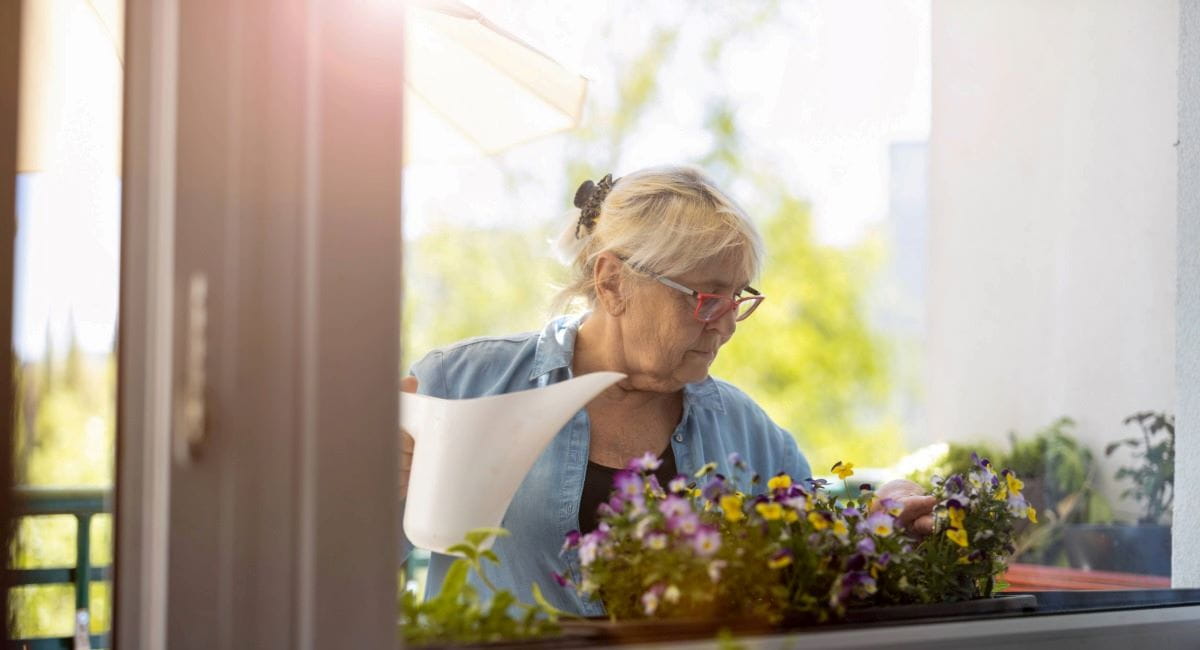
Looking after your pot plants
After you bring your plants to their new home on your balcony, the vital next step is to take care of them.
“Outdoor pots need more watering than indoor plants, especially in the warmer months as they can dry out quickly,” says David.
You should also consider giving your plants liquid feed, as keeping the soil filled with nutrients makes for a healthy plant.
Inge advises feeding your plants every 14 days: “Potted plants don’t have masses of soil to access nutrients. So you have to feed them more regularly.”
Make sure you keep an eye on the positioning of your plants, as they may receive different amounts of sunlight at different times of the year, meaning they need to be moved or have different watering requirements.
Design ideas for your balcony garden
Once you’re comfortable looking after a plant or two, you might want to play around with the design of your balcony garden.
“Having a cluster of an uneven number of plants is effective. Try putting a small, medium and tall plant in a corner together. That way it doesn’t feel cluttered but you’re getting everything you need to make the space look visually appealing,” says Inge.
She says using plants with different shades of green also helps to draw your attention across the different plants.
Railing planters and hanging baskets are another unique and visually appealing way to maximise on space.
But no matter what plants or garden design you choose, Inge says not to underestimate the sense of achievement you will feel.
For those thinking of getting started, she has this advice: “Don’t be afraid. There are so many free resources available in blogs, books and other free content. Just start with a plant or two, learn as you go, and it will absolutely impact your wellbeing.”