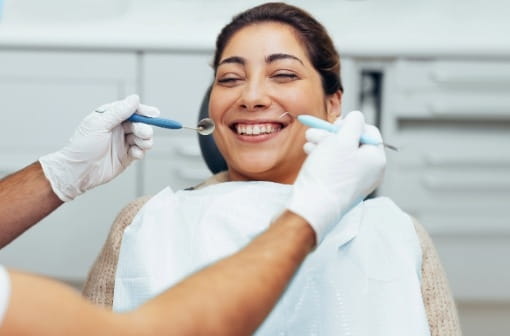
“I’ve seen many skin cancers being removed in my time and that’s why prevention is obviously the key.”—Antonella Mihalinac, Senior Clinical Claims Analyst, Australian Unity
Key points
- Screening and early detection are essential for preventing skin cancer from progressing too far.
- Establishing a routine of regular head-to-toe self-checks at home helps you and your loved ones notice subtle changes in moles or new spots early on.
- Reviewing your health insurance to ensure it includes “skin” and “plastic and reconstructive” categories can provide peace of mind and financial support if you ever need treatment.
Australians’ love of the outdoors is good for us. Fresh air, movement and sunshine all support our Real Wellbeing. But all that time in the sun means our skin is getting more exposure to harmful UV rays than we might realise.
Sun damage can build up silently over the years. Those childhood days spent at the beach, the teenage years sunbaking and the weekend cricket matches all add up. The sun exposure you experienced years ago may only just start showing up as changes to your skin today, which is why it’s crucial to stay vigilant at every age.
So while we all know the slip, slop, slap, seek and slide drill for summer skin care, regular checks are just as vital for protecting ourselves against skin cancer. Here’s why they should be on your yearly health checklist.

Why early detection matters
According to the Cancer Council, skin cancers account for 80 percent of all diagnosed cancers in Australia each year.
“I’ve seen many skin cancers being removed in my time,” says Antonella Mihalinac, a former operating theatre nurse and now Senior Clinical Claims Analyst at Australian Unity. “And that’s why prevention is obviously the key.”
Antonella stresses that catching things early is a game-changer. So, if you’re even the slightest bit worried about that mole or freckle, it pays to get it checked.
The key is knowing your own “normal”. Keep an eye out for:
- changes in existing moles and freckles
- new spots that look different from the ones around them
- spots that bleed, tingle, itch or simply won’t heal.
Don’t wait—checking in with your GP can be the difference between a simple, quick procedure and more invasive treatment. Catching skin cancers like melanoma (the deadliest form of skin cancer) early significantly improves the chances of treatment.
“Early detection can stop a cancer from reaching a stage where it can potentially cause deformity or disfigurement in certain parts of the body where the skin cancers are removed,” says Antonella.
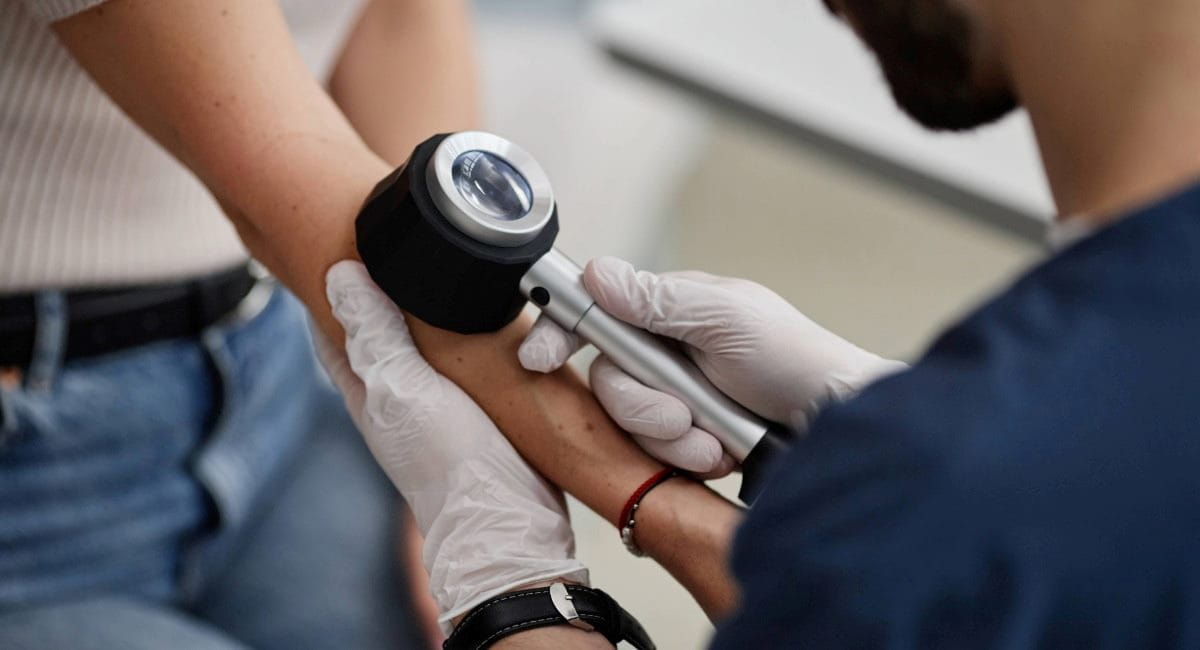
Conduct regular skin checks
Modern technology has made spotting issues easier than ever. While your GP can perform a thorough visual examination, tools like 3D body mapping have revolutionised early skin cancer detection. This non-invasive procedure creates a detailed record of your skin, allowing you to track even the tiniest changes over time.
“Mole mapping is an opportunity for moles or skin spots to be monitored and assessed for changes, which can identify the potential of a spot or a mole turning into cancer,” says Antonella. “It’s accurate, reliable and gives you a much clearer picture of your skin health.”
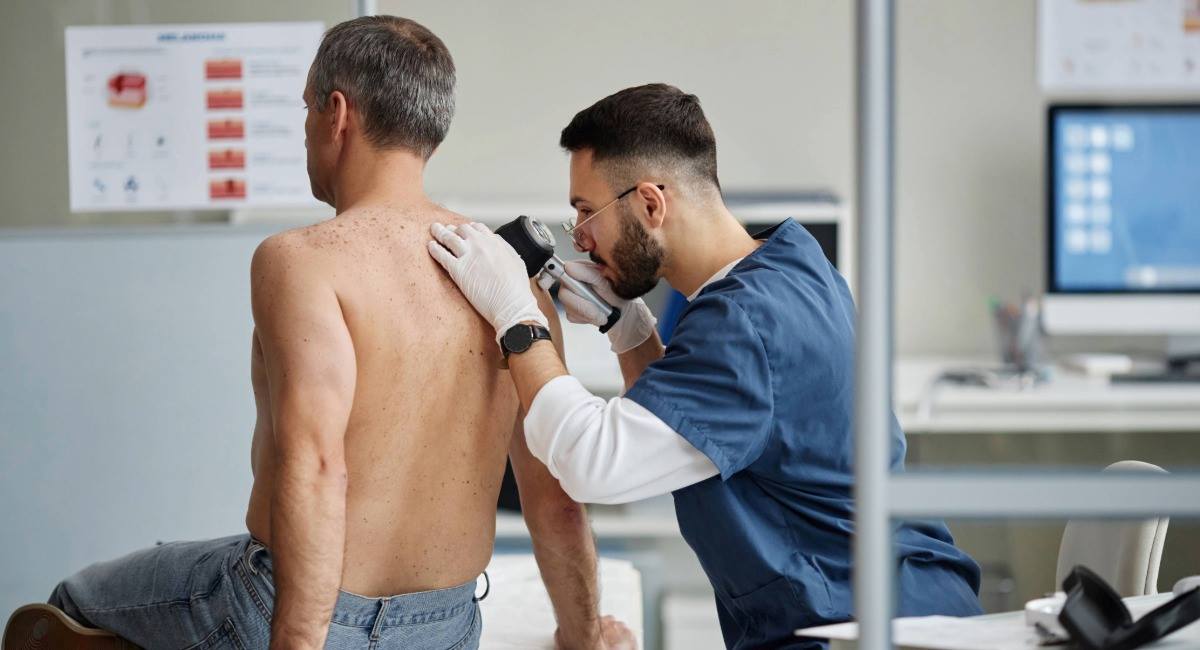
Seeing your GP is also an excellent starting point for mole checks—particularly if you have a family history of skin cancer, fair or freckled skin, numerous moles, or spend a lot of time working outdoors.
If you do fall into this higher-risk category, you may need a comprehensive skin check every 6–12 months. The Cancer Council recommends talking to your doctor to plan out a regular examination schedule.
You should also aim to perform regular checks at home, as often it’s you or your loved ones who are the first to notice changes. To do this, stand in front of a mirror in a well-lit space and review your body from head to toe. Ask someone to help you check difficult-to-see areas, such as your back or scalp.
The good news is that preventative measures work at any age. Regular skin checks should become part of your family’s health routine, just like dental visits or eye tests.
Get the right health insurance
With our sunburnt country having one of the highest skin cancer rates in the world, there’s a good chance that you or someone you know might experience a skin cancer diagnosis, so it’s important to have the right private health insurance cover in place.
Preventative skin cancer checks are typically handled by Medicare, making them accessible to everyone. Australian Unity actively encourages all members to go for regular screenings. Depending on your health insurance policy, a GP skin check may be claimable or offered as part of your extras protection.
If you do receive a skin cancer diagnosis, having the right private health insurance hospital cover can make a real difference by supporting access to timely treatment, specialist care and ongoing support. Antonella notes that for treatment, you’ll want a policy that includes “skin” cover, and “plastic and reconstructive” benefits. This ensures you’re supported for everything, from biopsies and surgical removals to reconstructive procedures (if needed).
“In the case of a melanoma diagnosis, you may also need chemotherapy, and a hospital policy which includes this treatment will cover you for that,” says Antonella.
Antonella recommends Australian Unity Members complete an annual right cover check to ensure their health insurance is appropriate for their stage of life. It’s as simple as calling 1800 760 719 and asking for a “Right Cover Check”. You’re not limited to doing this once a year either—you can do this check at any time if you’re unsure about whether you have the right coverage.
Stay informed and protected
For more advice on skin health, Antonella recommends sticking to trusted sources that provide information on what to look for and how to protect yourself and your family.
“We encourage our members to access information from professionals and organisations like general practitioners, dermatologists, the Cancer Council and the Melanoma Institute Australia.”
This summer, make a health check part of your health and wellbeing routine. Book that appointment with your GP who can check your skin for changes and ensure your health insurance meets your needs. Because when it comes to skin cancer, catching it early makes all the difference.