“Healthcare is not getting any cheaper. We’re constantly reviewing our products and adjusting them for what customers want, and balancing affordability and value.”—Rebecca Harwood, Group Executive of Health Insurance, Australian Unity
Key points
- The future of health insurance in 2026 is all about affordability, with providers like Australian Unity dedicated to delivering value for money and quality services to its customers.
- Hospital-at-home initiatives are growing in popularity, offering new models of care that are changing the way people receive care.
- In 2026, there continues to be an increased focus on preventative programs, encouraging people to make the most of their health insurance.
For many Australians, private health insurance is a cornerstone of their Real Wellbeing, providing the peace of mind that comes with having choice and control over their healthcare. In 2026, with an ageing population and a public health system under mounting pressure, health cover is proving more valuable than ever—even as households look for smarter ways to manage the increasing cost of living.
According to Rebecca Harwood, CEO of Insurances at Australian Unity, there’s a trend of resilience rather than retreat. “People aren’t giving up their health insurance,” explains Rebecca. “Instead, they’re tailoring it to be more reflective of their needs and stage of life.”
Here is a look at the emerging trends in health insurance, and our top tips for maximising your cover to create more value.

Healthcare affordability is top of mind
“Affordability continues to be a consistent theme among our customers,” says Rebecca, as cost-of-living pressures continue to sting wallets in 2026. That, she says, is reflected in how singles, couples and families are evaluating their health insurance. “We’re seeing a lot more people checking their cover.”
If the cost of cover is a concern, Rebecca recommends reviewing your policy to ensure it’s right for you and that you’re paying for the things you actually need. If not, consider adjusting it to reflect your budget and health requirements, as the right cover can make a real financial difference.
At Australian Unity, that value comes in a few different forms:
- Hospital cover: Giving members faster access to treatment, without relying solely on the public system.
- Extras cover: Supporting customers to stay on top of regular health needs, such as dental, physio and optical care.
- Wellplan Rewards: Helping members offset the cost of living with discounts on everyday essentials—like groceries, fuel, car servicing, entertainment and more.
“Healthcare is not getting any cheaper. We’re constantly reviewing our products and adjusting them for what customers want, and balancing affordability and value,” says Rebecca. And that means choosing the right product for your needs.
The rise of hospital care at home
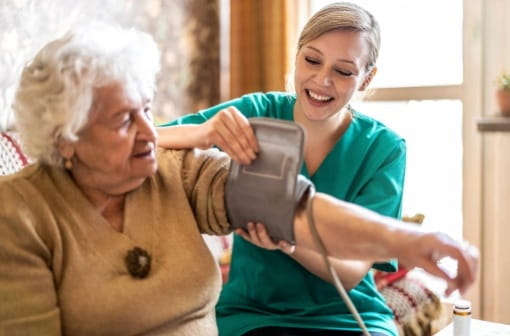
With nursing wages increasing and healthcare costs rising across the board, emerging trends in health insurance point to the adoption of different models of care. Rebecca says this is sparking a rethink in not just how we receive treatment, but where. She also points out that day procedures, rather than hospital stays, are on the rise—and this trend is set to continue.
“For many treatments, there’s lots of evidence to show that people actually recover better outside of a hospital. That’s why we’re seeing a move towards more contemporary care models that happen where you feel the most comfortable—in your own home,” she says.
It might sound counterintuitive, but your home may be the most effective environment for healing. Being in a familiar, stress-free setting doesn’t just speed up your physical recovery, it can also provide a massive boost to your mental wellbeing.
As the industry grapples with rising costs—including out-of-pocket specialist fees—organisations like Australian Unity are supporting treatments that can deliver outcomes without the need for a clinical environment.
Take hip replacements, for example, a procedure that typically results in a long hospital stay. “If you’ve committed to great physio before your surgery, you can often head home shortly after the procedure,” Rebecca explains. “With the right supports in place—like at-home physio, meal delivery and cleaning—you’re back in your own space faster.”
While hospitals will always be vital for acute care, this shift represents a deeper philosophy: healthcare should fit into your life, not the other way around. From chemotherapy and infusions to specialised wound care, the options for at-home treatment are growing.
“At the end of the day, people want to be with their families, they don’t want to be travelling to and from appointments,” says Rebecca. “They want the convenience of professionals coming to their homes and delivering the care. For many conditions, there is actually no reason to be in a hospital.”

Prevention programs gain traction
Another trend that continues to grow in 2026? Preventative care is moving up the agenda, which means more wellness programs in health insurance.
“We’re just as focused on helping our members stay healthy every day as we are in supporting them when they need us in hospital,” says Rebecca.
Preventative health services include doctor health checks that aren’t covered by Medicare, such as bone density scans, weight management programs, quit-smoking support, diabetes management and initiatives like Lift for Life. These programs are designed to catch issues early and build healthy habits.
Rebecca’s advice? Keep on top of things like dental and eye check-ups, and keep your body moving through physio or osteo. “We have a huge suite of preventative benefits that members can take advantage of to keep them active and well.”
Early intervention matters, which is why Australian Unity encourages its members to reach out and have a conversation about the services or programs available to them based on their level of cover. Doing so can make a real difference to your wellbeing.
“Scheduling regular preventative appointments can help you stay healthy and identify things that perhaps need a bit more attention early,” Rebecca explains. “Because really, by the time you’re sick, it’s probably a little too late.”

How to get ahead with your health in 2026
Everyone’s health needs are unique and in 2026 it’s all about creating smarter, more personalised health insurance plans and experiences, making it easier for people to get what they need, when they need it. To do this, it’s worth taking a moment to check whether your cover is still doing what you need it to do.
Here are three simple steps to help you stay ahead:
- Review your current policy: Look at what you’re covered for and whether you’re actually using those benefits. Tools like Australian Unity’s member portal and app allow you to view your product information.
- Explore your options: You can compare Australian Unity’s health insurance options to find the cover that meets your needs and budget.
- Talk to someone: A call with an Australian Unity consultant can clarify what’s changed, what’s coming and what cover is right for you.
Because, ultimately, private health insurance is about feeling supported, having choice and knowing your health insurance cover can keep up with life’s changes.