“The most important thing is to come in and have your eyes checked, even if you have no symptoms.” —Fiona Barrett, Optometrist, Specsavers
Key points
- Regular eye tests help detect issues early and protect your long-term eye health.
- Optical extras health insurance covers glasses, lenses and upgrades, but unused benefits expire annually.
- Combining routine checks with everyday eye-healthy habits keeps your vision in good shape.
Our eyes reveal more about our health and wellbeing than you might think, yet many of us only visit an optometrist when we start squinting at street signs.
That means millions of Australians are missing out on the chance to pick up problems early, enjoy clearer vision and make full use of their optical cover.
To understand why regular eye health checks matter, we spoke with Specsavers optometrist Fiona Barrett. Read on to discover how simple habits and optical private health insurance can help protect your vision for the long haul.
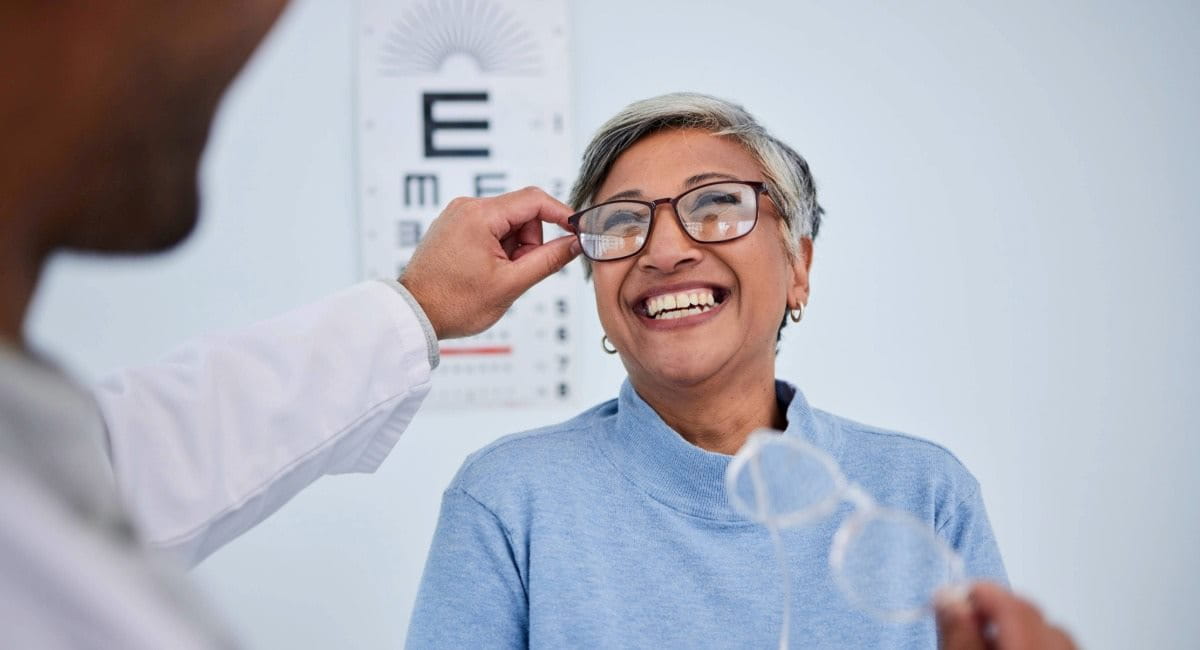
Why eye checks are worth it
Your eyes do more than help you see. In fact, they can reveal the first signs of wider health issues, including high blood pressure and diabetes. If you have a family history of these conditions, it’s worth mentioning to your optometrist so they can run specific checks, such as conducting a diabetes eye test.
More than 13 million Australians have at least one long-term eye condition, ranging from short-sightedness to more serious problems like glaucoma or macular degeneration. Unfortunately, many eye conditions develop quietly—and by the time symptoms appear, treatment is often harder. Regular testing is therefore critical for catching these issues early.
“The most important thing is to come in and have your eyes checked, even if you have no symptoms,” stresses Fiona.
She recommends eye tests every two years for most adults, or every 12 months if you already wear glasses or have known issues. However, if you ever notice sudden flashing lights, unexplained spots in your vision or double vision, book a test promptly. “These can point to more serious issues that should be checked quickly,” says Fiona.
Children should begin getting eye checks around age four or five, but if you notice anything that gives you cause for concern, like catching them squinting at the TV or getting unusually close to their iPad, then bring them in earlier.
If you need to book an appointment, here’s a list of Australian Unity—recognised doctors.
What an optometrist actually does
Put simply: “An optometrist is your healthcare provider for everything eyes and optical,” says Fiona.
That includes:
- Testing your vision and prescribing glasses or contact lenses.
- Detecting diseases like macular degeneration, cataracts, glaucoma and diabetic retinopathy.
- Identifying signs of general health concerns such as hypertension and diabetes.
- Treating common infections and allergies with prescribed drops.
- Removing small foreign objects that get stuck in the eye.
Every optometrist must complete a university qualification and be registered with the Optometry Board of Australia, ensuring they provide high professional standards and consistent care.
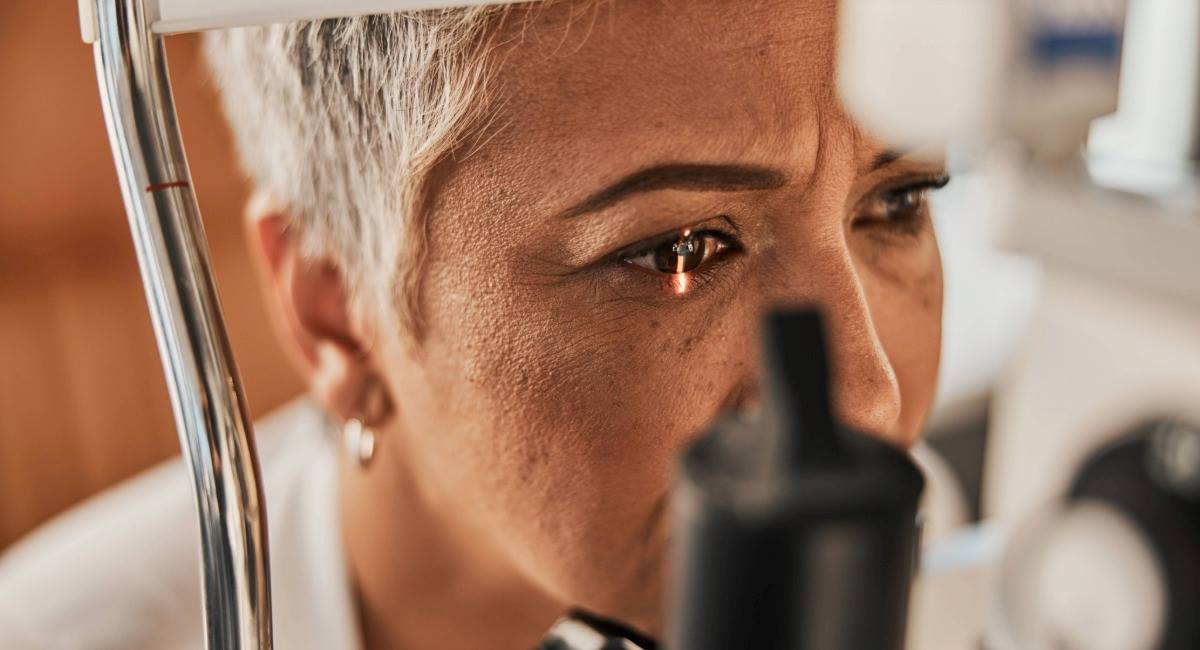
What happens at a typical eye appointment
Optical appointments usually begin with a series of screening tests. The whole visit is straightforward, painless and usually takes less than an hour.
At this time, you’ll probably encounter a tonometer, which checks your eye pressure levels and provides an important screening test for glaucoma.
Another useful screening tool is the optical coherence tomography (OCT), which shows the layers of your retina in 3D and helps pick up diseases at much earlier stages.
“It’s like when you’re looking at a cake,” explains Fiona. “You can see the top of the cake and have an idea of what it’s like, but until you cut into it, you don’t know exactly what’s happening inside there. An OCT lets us see all the different layers of the eye.”
After the screening, you’ll meet with the optometrist to go through your results, check your vision and refine your prescription. They will also examine the health of your eyes, looking for early signs of disease or strain.
Making the most of your optical cover
As well as providing an early warning system for underlying health issues, our vision supports our independence, comfort and overall confidence—making eye care an essential part of our Real Wellbeing.
“Optical is a popular Extras service,” says Shelby Dale, Senior Product Manager of Insurances at Australian Unity. “In fact, it was our second-most popular claim in 2023, 2024 and 2025.”
Private health insurance in Australia provides excellent coverage, with Australian Unity members receiving up to 100 percent of the cost of all prescription glasses and contact lenses from a recognised optometrist and optical retail dispenser provider. Depending on your level of extras health insurance cover, this means you can claim up to $300 per person. And, every calendar year, that cover resets.
“Your optical benefit stays the same, no matter who your preferred optometrist is,” says Shelby. “We’ve also partnered with leading eye care retailers like Specsavers and OPSM to give even more back to our members.”
Optical extras usually cover:
- Prescription glasses
- Contact lenses
- Lens coatings like UV protection, blue-light filters or scratch resistance
- Prescription sunglasses at participating providers
Here are four quick tips to help you get extra value out of your optical extras:
- Use your annual limit. Many people forget to claim before their benefits expire. Even if your prescription hasn’t changed, you can claim a second pair of glasses, prescription sunglasses or stock up on spare contact lenses.
- Pair your benefits with in-store offers. Frames, lens packages and multipair deals can stretch your allowance even further.
- Ask about coatings or upgrades. Blue-light protection, UV filtering and scratch resistance all improve comfort and durability.
- Check your plan. If you have a growing family or multiple glasses wearers at home, consider whether your current level of extras still fits your needs.
Everyday habits that protect your eyes
These days, heavy use of screens is putting more pressure on our eyes than ever before.
Digital strain can trigger dry eye, which has become one of the most frequent complaints in clinics—and blurriness, tired eyes and difficulty focusing are now common even among younger adults.
“We are seeing the effects of digital strain much earlier than we used to,” says Fiona.
Other factors, including the sun and a poor diet, can also influence your long-term vision.
So, to keep your eyes healthy, Fiona recommends:
- Taking regular breaks from screens.
- Wearing sunglasses and a hat outdoors.
- Using safety glasses when you’re working with tools or in the garden to avoid debris making its way into your eyes.
- Eating plenty of dark leafy greens (which are especially good for protecting your macular health), brightly coloured vegetables, and omega-3-rich oily fish and nuts.
By following these simple tips and scheduling regular optical visits, you’ll be giving yourself the best chance to see clearly for years to come.