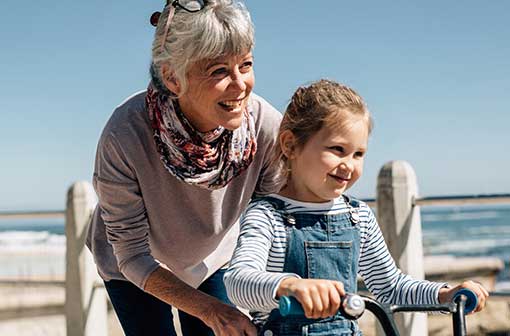
“Kids observe their parents and model their behaviours. So, if parents actively prioritise their health, their kids are more likely to do that themselves as they move through their different stages of life.”—Jamie Barnes, Health Coach, Australian Unity
Key points
- There are many barriers and commitments that parents need to navigate when finding time in their busy schedules to exercise, but the benefits are undeniably worth it.
- Exercise makes you a healthier, more emotionally regulated version of yourself for your children.
- Be realistic about what you can fit in. Short, high intensity workouts and exercise activities that include your kids can be more achievable than long sessions at the gym.
Finding time to exercise within a busy schedule is no easy feat. This dilemma is even more prevalent for parents, who often struggle to prioritise their own wellbeing while juggling the everyday demands of parenthood.
But fitting movement into your day can have compounding, knock-on effects in many areas of your life, and it even benefits your kids too.
Jamie Barnes, Health Coach at Australian Unity, says there are numerous reasons parents experience barriers to exercise, but that making the time allows you to be a healthier, more emotionally regulated version of yourself for your children.
“If you want to be the best version of yourself for your kids, you've got to put in the self-care work. And exercise is an important component of that,” he says.
So, here’s how parents can prioritise their health, find movement they enjoy and fit exercise into real life without guilt or pressure.
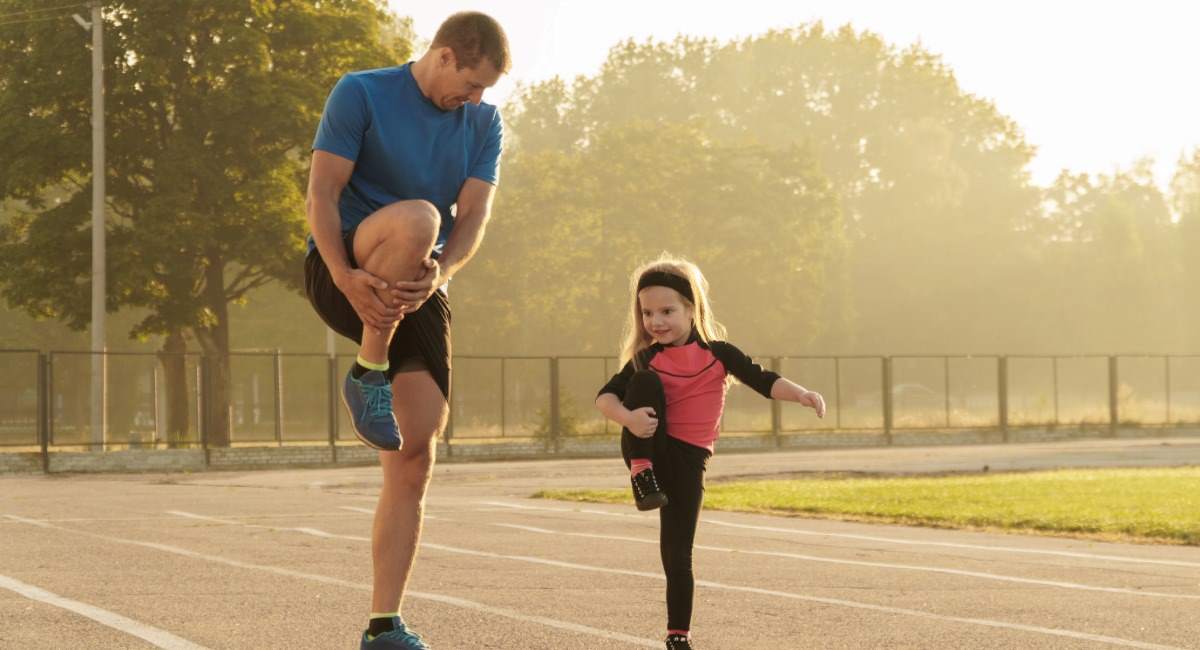
Barriers to exercise
There are many logistical barriers parents need to navigate when it comes to exercise, such as work schedules, school pickups and drop offs, transport, and other family commitments, but that’s not all.
The high mental workload of running a household combined with potential sleep disruptions are two big factors that can increase your level of fatigue and decrease your motivation to exercise, according to Jamie.
“In a day of working and parenting, there's a lot of time fragmentation. This means short, unpredictable gaps in your day as opposed to longer periods in which people usually feel more comfortable to exercise.”
To top that all off, parents often experience feelings of guilt when making time for themselves.
“Parents want to prioritise their children and their household, and they may put those needs ahead of their own, which can often come at the expense of exercise,” says Jamie.
That’s why seeing exercise as a way to support your household can help to reframe that guilt.
Reframing the parental guilt
“Kids are demanding of your time, attention and emotions. Try to frame exercise as a way of helping to support your household and your kids by regulating your own mental health,” says Jamie.
“The release of endorphins and dopamine are well documented in their benefits and the positive effects on symptoms of depression and anxiety. We can harness those benefits to support what we’re doing from a parenting perspective.”
But it’s not just your mental health that wins. Having a higher level of fitness can make it easier to take on all the tasks required in parenting and living a busy life in general.
These are some of the ways exercise can make your everyday life easier:
- Improves your energy production through mitochondrial efficiency meaning higher energy levels
- Improves your cardiovascular fitness which can have positive benefits on general day-to-day fatigue
- Promotes good sleep which has a domino effect on your mood and energy the following day and over time as well
You can think of exercise as a form of self-care for parents. But the big issue remains: how can parents find time to exercise?

Finding time to exercise as a parent
People tend to think about exercise in an all or nothing capacity, says Jamie. But shifting your expectations can make movement much more achievable.
Being able to set aside 60 minutes isn’t always going to be possible. So finding opportunities within your day to spend 10 or 20 minutes doing shorter, high intensity exercises can be much more realistic for busy parents.
These are known as ‘exercise snacks’ in which you maximise opportunities throughout your day to do a couple of sets of an exercise at home, for example.
Another useful tool is ‘habit stacking’, which involves pairing exercise with another activity.
“That could be changing into your exercise clothes immediately after getting home from work or always going for a walk before you have a shower. This way exercise becomes a part of your routine, rather than something that you have to think about fitting in,” says Jamie.
Whatever you choose, it’s vital to be realistic in your plans.
“Start by taking a realistic look at your week and what you can fit into it. It might be two gym sessions a week or 20 minutes of walking at a time or 10 minutes of exercises scattered three times throughout the day. That’s much better than doing nothing and you can work up from there if you’re able to,” says Jamie.
Then try to remove any little barriers that might become big barriers when your motivation just isn’t there.
“This might mean before going to bed at night, you pack your gym bag or leave your running kit at the front door. Those little habits can really help with adherence.”
Best exercises for time-poor parents
Flexible workouts like self-guided studios and online workouts can be a great way to remove the barrier of fixed scheduling and needing to commit to certain times.
“The other benefit is it requires less mental energy to put a class on and follow instructions, as opposed to having to think of what to do yourself. It also gives you the opportunity to pause and then restart at a later point, so you’re progressively getting through the class throughout the day,” says Jamie.
Social sports and group exercise classes are another great way for parents to stay motivated, as they can make exercise feel more like a social event and less like another chore on the to-do list. There’s the added benefit of a sense of community and connection which can be valuable for parents.
This can be particularly beneficial for the sandwich generation, who are juggling caring for children and supporting their ageing parents at the same time. Being especially time-poor, grouping multiple benefits into one activity can be a great use of time for this cohort.
“If you have the capacity to get to a class or organise to exercise with a friend, that social accountability is a really big driver which increases participation quite significantly as well,” says Jamie.

Setting an example for your children
It’s important to normalise movement and exercise as part of daily life, especially in our highly sedentary, tech-heavy lifestyles, says Jamie. By doing this, you can help your children learn and develop healthy lifelong habits.
“Kids observe their parents and model their behaviours. So, if parents actively prioritise their health, their kids are more likely to do that themselves as they move through their different stages of life.”
While role modeling is a great way to do this, you can also include your children in your exercise activities. Some fun ways to exercise as a family include:
- Going for a walk after dinner as a family
- Planning a family bike ride or hike on the weekend
- Enjoying play-based movement such as kicking a footy or playing a game at the park
- Going for a pram walk or run if you have a younger child
These are great starting points for parents who are wondering how to start exercising or are getting back into exercise after a long break.
Big goals for exercise while parenting
But what about those of us who already incorporate exercise into daily life, and are trying to find more time to achieve big fitness goals?
“Big fitness goals can be very time-consuming. It’s important to coordinate with your partner first and foremost,” says Jamie. “Maybe they can have the kids for a couple of hours in the morning and then you can tag team later in the day to give them some time to themselves.”
It can also be helpful to communicate your training plan using a calendar, so the whole household knows what’s happening and can plan accordingly.
Remember that compromise and flexibility are vital.
Jamie has this advice: “You might prefer running in the morning but have a family commitment on Saturday morning. In that case, it’s probably not a good idea to get out and run 30km, so compromise and go for a run in the afternoon or the following day instead.”
It’s about finding balance between your family commitments and exercise routine so everyone feels valued and respected.
No matter what your exercise schedule looks like, any movement you can fit in is worth it. Prioritising exercise isn’t just for your wellbeing. You’re setting an example for your children and teaching them to build healthy habits that will benefit them for years to come.