“Exercise might not always be the most pleasant thing to do in the moment, but if it helps you lead a more fulfilling life and allows you to do the things you want to do for decades longer, then why wouldn’t you?”—Jamie Barnes, Health Coach, Australian Unity
Key points
- The immediate effects of exercise can be felt during and after a workout, but when exercise becomes a regular habit, it has compounding short- and long-term benefits.
- Consistent movement not only maintains our health as we age but also prevents many common diseases and conditions, meaning we can continue doing what we love for longer.
- Exercise is for everybody. It’s just about finding an activity you enjoy and a plan that’s achievable.
It’s no secret that exercise is great for our overall wellbeing. But do you know what actually happens to your body when you work up a sweat?
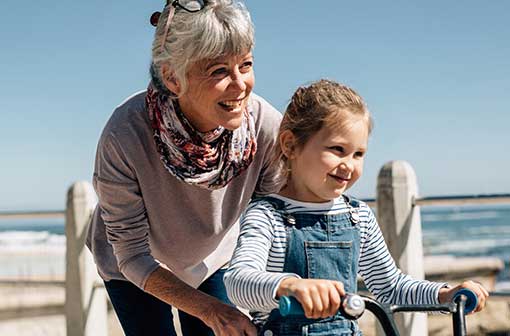
The benefits of movement aren't limited to during and after a workout, also known as that addictive post-workout glow. It has impressive, lasting effects later in life, helping you stay active and independent for longer.
“Exercise is a very important aspect of ageing well and making sure we’re future proofing ourselves as we get older. It allows you to live a more fulfilling life, because it enables you to do the things you want to do for longer,” says Jamie Barnes, Health Coach at Australian Unity.
In this article, we delve into all the effects and benefits of exercise on your body—from the immediate to the long term—and how it can help you to live a healthier, more gratifying life.

What happens to your body during a workout
Whether you’re lifting weights at the gym, running a lap of the local park, doing crouching tigers at pilates or any other type of movement, chances are you’re familiar with most physiological signs of exercise—but some might go unnoticed.
Here’s what you may experience while working up a sweat:
- Increased heart rate and breathing rate to deliver more oxygen to your working muscles
- A rise in body temperature which might cause you to start sweating to help ensure you don’t overheat
- Dilated blood vessels to increase blood flow to your muscles and brain
- Increased glucose uptake from your muscles to drive the energy required for exercise
- Boosts in hormone levels such as adrenaline, endorphins and dopamine
So, why do these symptoms of exercise make us feel so good immediately after a workout?
Why exercise makes us feel good
“The hormones released during exercise such as endorphins and dopamine are well documented in terms of how they improve mood and motivation. When people feel great after an exercise session, that’s thanks to those hormones,” says Jamie.
But that’s not all. The relationship between exercise and mental health is firmly established. After a bout of exercise, your body goes into a parasympathetic state. As your nervous system relaxes, you can experience the easing of anxiety and depression symptoms.
Another factor is the increased blood flow to the brain, which improves your mental clarity and problem-solving capacity.
There’s also another very simple, commonly overlooked reason that exercise makes us feel good: it’s a distraction from your everyday stresses. It’s harder to contemplate your troubles while focusing on completing a workout. You may feel a sense of accomplishment afterwards which can further boost your mood as well.
You don’t even need to complete a serious sweat session to soak up some of these benefits. Going for a walk at lunchtime or doing an extra lap of the office when you need to use the printer can be beneficial.
“Those little doses of exercise can help improve your productivity, decision-making and mental processing,” says Jamie.
How our body changes when exercise becomes a regular habit
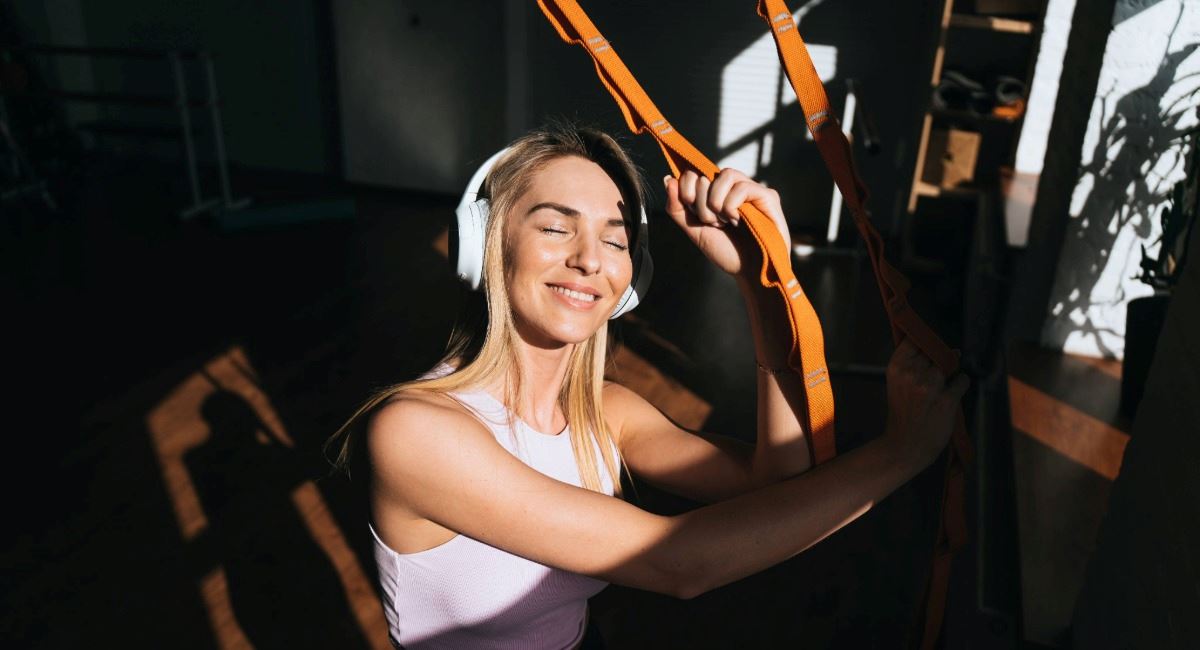
When exercise becomes a regular habit, your body becomes stronger, fitter, more resilient and your metabolism becomes faster. How do these physical benefits of exercise look inside the body?
Let’s consider the heart first.
“Over time, exercise improves the stroke volume of the heart,” says Jamie. “This means our heart can pump more blood per beat, meaning blood gets sent around our body more efficiently. Consistent exercise also lowers our resting heart rate and regulates our blood pressure.”
From a muscle perspective, regular exercise improves your muscular strength in two ways.
“Firstly, we’re adding muscle mass. Secondly, we’re improving our neural recruitment, which is the ability of our nerves to stimulate the muscles to do work,” says Jamie.
“Consistent exercise even improves our mitochondrial density. Mitochondria are the energy production centres of our cells, and exercise increases the number of those which gives us more endurance and energy over time.”
Our metabolism also benefits from regular exercise. You’ll experience an increased metabolic rate which is related to your body’s ability to convert food into energy and the amount of energy your body requires to function.
Exercise as we age and the benefits of strength training
Exercise is important at all stages of life, but as we get older it becomes vital in helping us age well. It keeps our muscles strong, maintains our joint function and overall mobility, and keeps us able to continue doing our day-to-day activities.
But it doesn’t just help us maintain our health, it also reduces the risk of prevalent chronic conditions that people get later in life.
“Exercise reduces our risk of cardiovascular disease, type two diabetes and some cancers. It also helps to preserve our bone density, decreasing our risk of osteoporosis and osteopenia,” says Jamie.
“The more sedentary we become as we get older, the more these things can become issues. If we can keep our body in a position that enables us to stay active as we age, we’ve got the capacity to keep those conditions away to the best of our ability.”
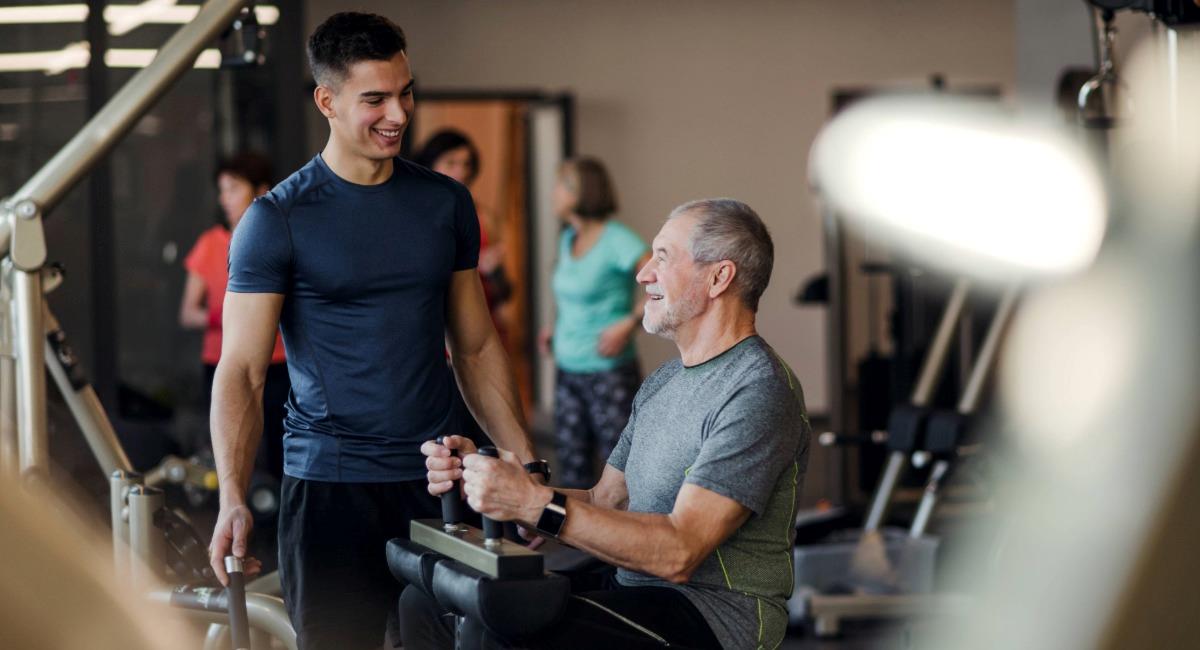
He says strength training is one of the most important ways to preserve health as you age.
“Strength training is vital to maintain muscle mass. It reduces our risk of becoming frail and reduces our falls risk, not only from a strength perspective but also in terms of improving balance and coordination.”
The importance of recovery
Recovery is an often-overlooked aspect of exercise, but according to Jamie, this is where the magic happens.
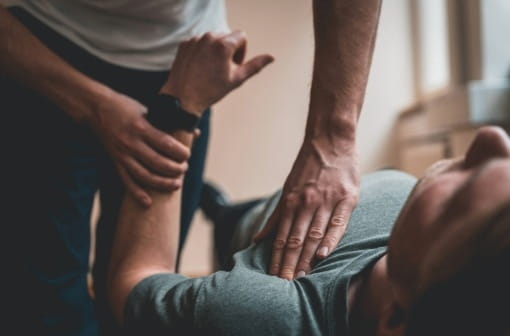
“Exercise is what creates an environment for change in your body, and recovery is where that change can happen. If you’re doing a lot of exercise, you’re creating that right environment. But if you’re not giving your body the chance to recover, you won’t see any improvement,” he says.
Without this sense of balance in your exercise routine, you can also experience chronic fatigue, acute illness, and greater susceptibility to colds and flus.
Sleep is the number one recovery method—it’s important for muscle repair, hormone regulation and nervous system recovery. Hydration and nutrition are two other key parts of recovery.
Knowing how much recovery time you need will come down to your body and the exercise you’re doing. That’s why it’s vital to have an awareness of how your body is feeling.
“If you’re continually sore, your joints start to ache, you’re feeling sluggish or you’re not sleeping well, those can be signs that you’re overdoing it,” says Jamie.
Think exercise isn’t for you?
“Exercise is for everybody. It’s about finding the type of exercise that you enjoy and aligns most closely with what your goals are,” urges Jamie.
If you’ve enjoyed swimming in the past and you have cardiovascular goals, how can you tailor an exercise plan that increases your enjoyment?
Jamie’s biggest piece of advice is this: “Start small and build up from there. A lot of people think it has to be an all or nothing approach where they have to do 30 minutes of exercise every single day, but it doesn’t have to be that way. You can start with something that’s achievable for you.”
He says there’s often a fork in the road for people who do and don’t exercise, especially as they get into their 60s and 70s.
“There are people who let their age bracket dictate what they do and don’t do. Then there are people who continue to exercise because they want to stay fit and healthy. Those two types of people go in very different directions in terms of their quality of life.”
“Exercise might not always be the most pleasant thing to do in the moment, but if it helps you lead a more fulfilling life and allows you to do the things you want to do for decades longer, then why wouldn’t you?”
The benefit of physical activity and exercise is profound for your wellbeing. By incorporating regular exercise sessions into your schedule, you’re doing what you can to future proof your health as you age so you can continue living a life that you love.