“The whole aspect of growing something, giving it love and seeing it thrive really gives back to us. Whether it’s watching plants grow in size, produce beautiful flowers or seeing their leaves change colour at different times of the year, it feels therapeutic.”—David Fullerton, Gardening Team Leader, Australian Unity
Key points
- Stress reduction, improved air quality and a sense of grounding are just a few of the wellbeing benefits provided by indoor plants.
- There are a number of easy-to-care-for plants that provide great wellbeing value—perfect for beginners or those who think they don’t have a green thumb.
- Start with one or two plants, learn about them, watch them grow and once you feel comfortable with caring for those, then think about expanding your indoor plant collection.
We all know that being outdoors does wonders for your wellbeing. But can those benefits be replicated inside your own home?
David Fullerton, Gardening Team Leader at Australian Unity’s Walmsley Retirement Community, has seen firsthand the impact indoor plants can have on a person’s wellbeing.
“Plants have a positive, calming effect on people. When you’re in an environment with indoor plants, it subconsciously influences the moods you’re feeling,” says David. “One of the beauties of indoor plants is that there are so many different varieties that have different effects on your wellbeing.”
David says plants that produce flowers are crowd favourites in the retirement community, likely due to the vibrant colours and lovely smell, but that all plants can provide wellbeing benefits.
So how do plants improve your wellbeing and how can you reap the benefits?
How plants can improve your wellbeing
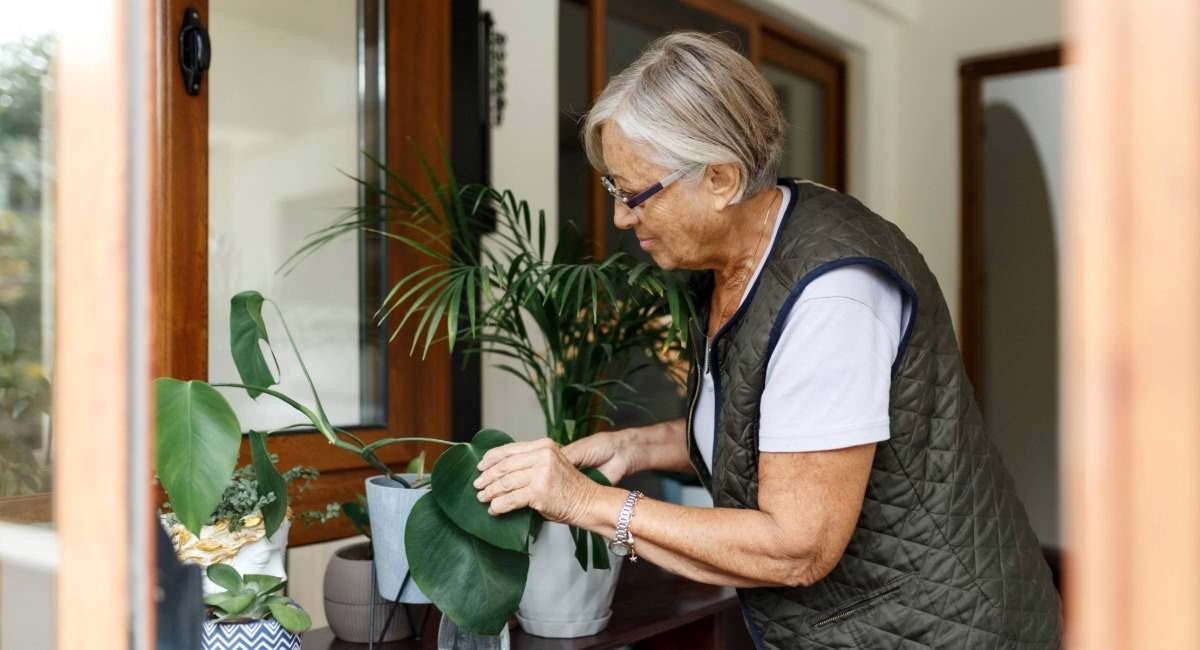
According to Inge Jabara, horticulturalist and landscape designer, some of the biggest wellbeing benefits of indoor plants are stress reduction, improved air quality and the sense of grounding they can provide.
“Stress relief can come from any plant. There’s a wellbeing element of the plant giving the perception of there being nature indoors, but it also has a lot to do with the colour,” says Inge. “The hue green is very tranquil and calming for the mind. Then if you have a little yellow or white flower for example, that also triggers different things within your mind.”
When it comes to improving air quality, however, Inge says those with large leaves make for good indoor house plants as they can purify the air more effectively and efficiently.
Another advantage of indoor plants is grounding—the concept of being in contact with the earth.
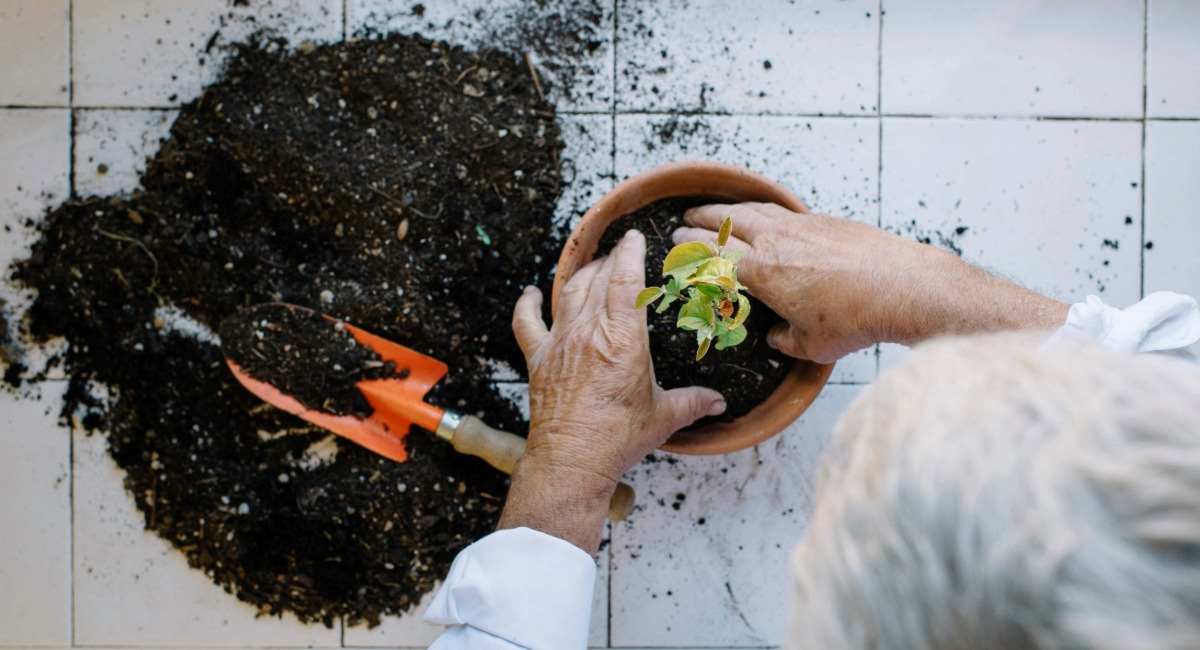
“There are wellbeing benefits to putting your fingers in soil. It’s a calming, relaxing and cathartic process,” says Inge.
Other surprising wellbeing benefits of indoor plants
While it’s often an unintended benefit of caring for indoor plants, another factor that makes people feel good is the sense of nurturing.
“The whole aspect of growing something, giving it love and seeing it thrive really gives back to us. Whether it’s watching plants grow in size, produce beautiful flowers or seeing their leaves change colour at different times of the year, it feels therapeutic,” says David.
Seeing your plants thrive can fill you with a sense of achievement, which is one of the three core elements in the “golden triangle of happiness”, according to the Australian Unity Wellbeing Index.
David has even noticed how indoor plants have helped residents at the retirement community connect with each other.
“Plants are almost like an entry point into a conversation. A resident might seem shy but when someone asks them about their plants, it’s amazing - it encourages them to open up and have those conversations,” he says.
And of course, they do a wonderful job of transforming your residence into a place you call home.
The best indoor plants for wellbeing
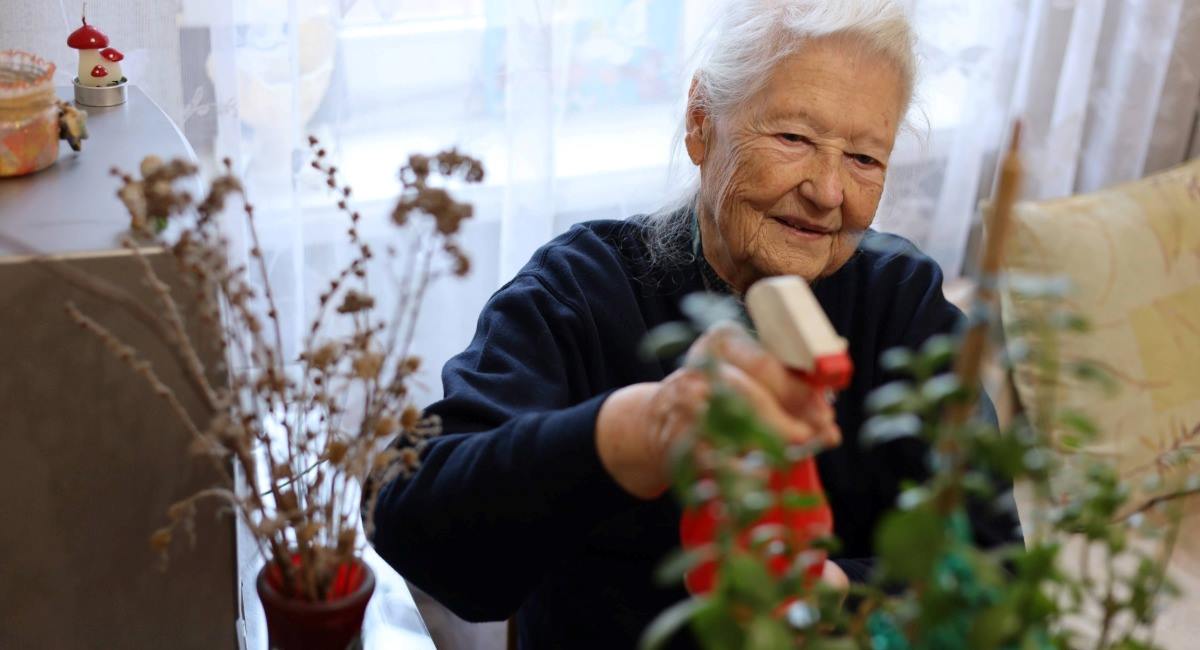
So, what are the best indoor plants for your wellbeing? This will likely come down to personal preference, but some great beginner-friendly options include:
- Peace lily: Peace lilies are one of the best indoor plants for health. They’re wonderful at purifying the air, improving respiratory health, regulating humidity and even reducing mould spores—making them a great option for bathrooms.
- Devil’s ivy: Devil’s ivy is a useful plant for removing toxins from the air, regulating humidity and can be particularly helpful for stress relief due to their bi-coloured, or variegated, leaves. Putting this plant on top of a cupboard is great for smaller spaces as the vines can hang down, maximising floor space and eliminating trip hazards.
- Aloe vera: Aloe vera is a wonderful multi-purpose plant. The gel is anti-inflammatory, making it useful for sunburns, minor cuts and skin irritations. But it also has a unique characteristic in that it releases oxygen at night, meaning it can keep your bedroom feeling fresh while you sleep.
- Herbs: Herbs are cheap, easy to care for and they have the added wellbeing benefit of nourishing you via your food. Inge recommends thyme, rosemary and basil to get started. They’re best suited to your kitchen bench or in the kitchen windowsill, so they’re always within easy reach while cooking.
The biggest mistakes beginners make with indoor plants
David says one of the biggest mistakes he sees beginners make is over watering.
“People think they need to give indoor plants a little bit of water every day, but the best thing you can do is give them one good soak rather than lots of little soaks,” he says.
This is because one long, deep soak is the best way to help your plants establish a healthy root system.
“Then if it does go through a period of neglect where you forget to water it or if the plant picks up a pest or disease, it’s more likely to survive because of that root system.”
Inge says another common plant mistake is taking your indoor plants outside for a day in the sun.
“Inside, they become accustomed to a certain amount of light. If you take it outside, you’re exposing it to a much greater level of light than it’s used to which can harm the plant,” she says.
Advice if you’re nervous about getting started
For those who are worried they don’t have a green thumb, David says to start simple.
“Start with one or two plants and choose plants that are at least a bit forgiving, so if you do forget to water it, it’s not going to curl up its toes straight away,” he says.
By choosing plants that are more forgiving, you’re able to experiment with what works best for that plant. Once you’ve learnt how to care for those plants, that’s when you can look at welcoming more into your home.
And if you do neglect your plants, don’t worry. It can happen to anyone.
Inge has this advice: “Don’t be afraid—just give it a go. If a plant dies, that’s okay. You can always try another type of indoor plant that might be better suited to you.”
Your journey with indoor plants will likely be one of experimentation and learning, but with a bit of time and patience you’ll be able to soak up all the wellbeing benefits.