Assessment occurs at many different points along a person’s care journey and sets the scene for how the service system responds.
The outcomes of assessments directly influence the amount of funding that is allocated to an individual, and directly influences the type and frequency of supports and services that they receive.
Despite its importance, it is also something that can cause stress, frustration and sometimes even conflict between providers and participants.
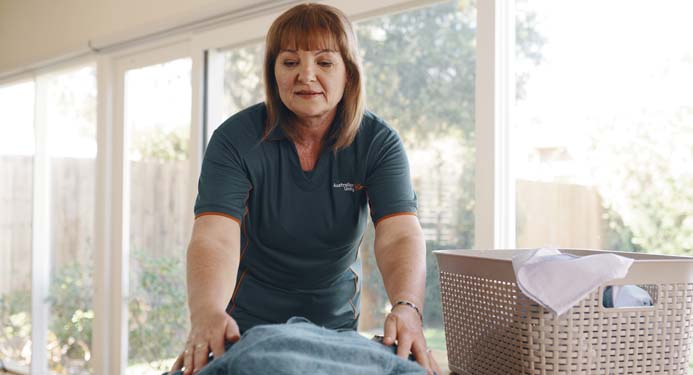
In this article, we will go through some of the key aspects of assessment, to help explain why it occurs, when it needs to occur, and how it can help you to receive the supports and services that will most help you to live independently at home.
Comprehensive Assessment from the Single Assessment Service (SAS):
How does this occur: A referral to be assessed to receive aged care services must be made via My Aged Care. There is usually a waiting time between 12-26 weeks, but it may be longer for many people due to the volume of referrals. The older person may be referred for several different service types, so contact with My Aged Care might need to occur on several occasions.Who are they: SAS assessors are experienced clinicians, usually with a background in nursing, allied health, or social work.
What do they do: SAS clinicians complete a very comprehensive document called the Integrated Assessment Tool (IAT). It contains questions that identify the older person’s physical capability, medical conditions, psychosocial factors, cognitive and behavioural factors, environmental factors and restorative needs.
SAS clinicians often use other assessments known as Supplementary Assessment Tools, which are validated tools designed to focus on particular issues, for example, continence, carer stress, memory and cognition, fall risks, pain, and depression.
Where: This is usually done in the participant’s home. The participant is encouraged to invite a family member, carer, or other person who can support them with answering the questions. Occasionally the assessment is conducted in hospital, but the preference is in the participant's home.
When: The assessment typically occurs when there has been a noticeable change in the day-to-day functioning of an older person. This might be small and subtle, or it might be sudden and drastic.
Either way, the same assessment will take place – the only things that are different will be how quickly it occurs and the outcome of the assessment in terms of approved services and supports. The greater the need, the more funding and supports are recommended by SAS.
What happens next: Based on the overall assessments and current situation for the participant, the SAS clinician will develop a My Aged Care Support Plan with recommendations about how the aged care system can begin to best meet the person’s assessed care needs.
The My Aged Care Support Plan reflects the person’s strengths and abilities, areas of difficulty, and the supports and services that will best meet their needs and goals. This will include the consideration of formal and informal services as well as reablement and/or restorative care and other short-term pathways to help the person regain some of their previous capability and function.
You will receive a Notice of Decision alongside your My Care Care Support Plan, and when your Support at Home funding is assigned, we will use this information to start the conversation with you about how to use your quarterly budget funding to meet your needs.
You can find information on preparing questions to ask the assessor via this link.